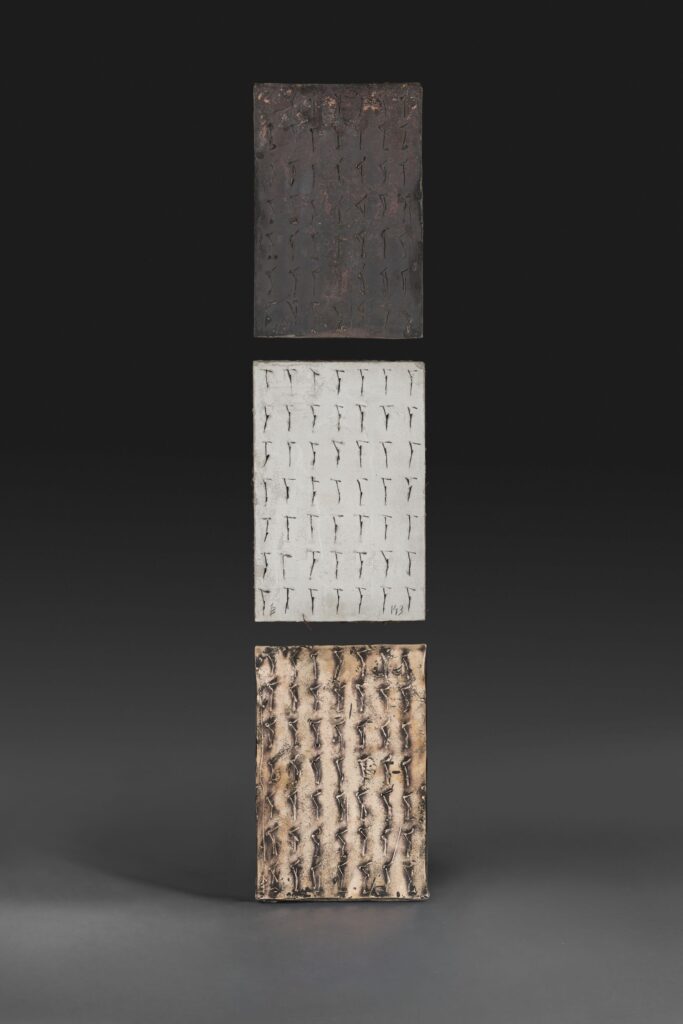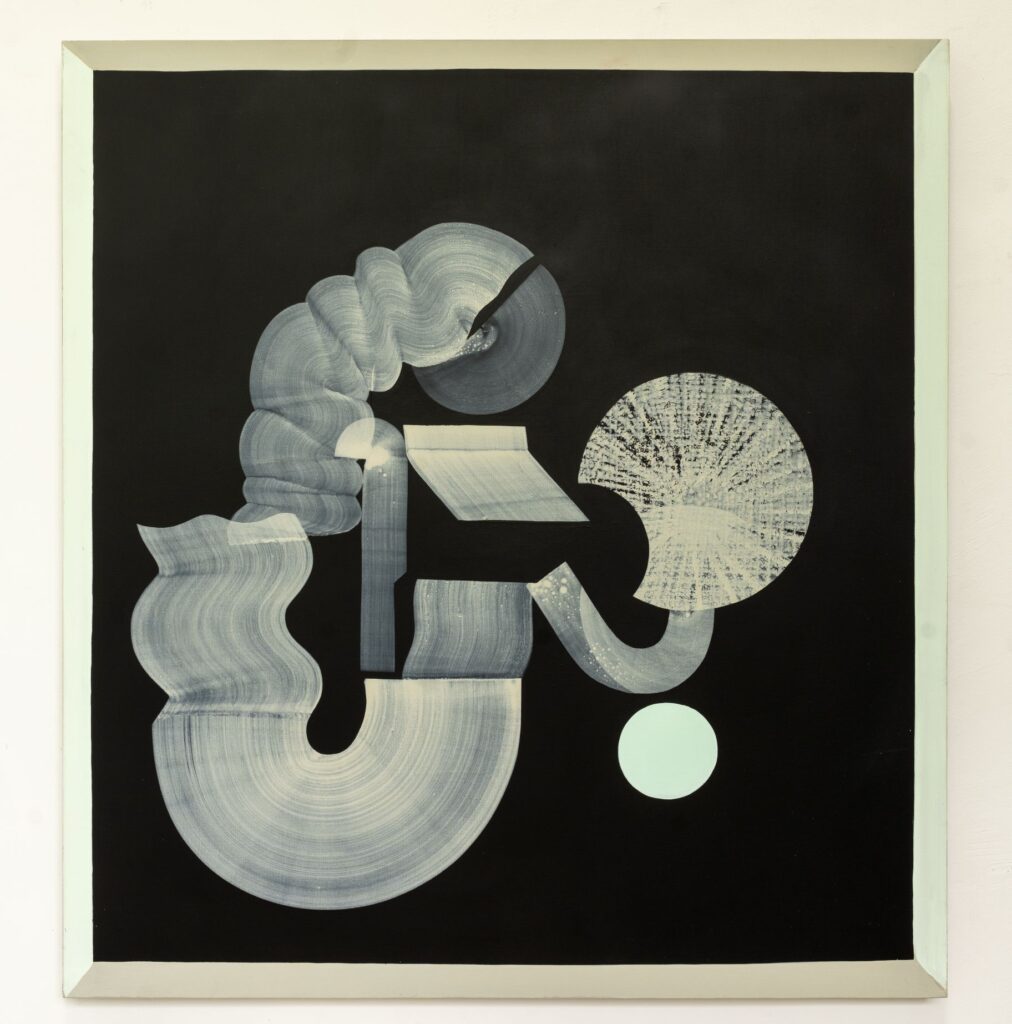
In 1962, Picelj initiated a series of his self-published “Edition a” art booklets, having released a total of seven publications up until 1964. Each issue of “Edition a” featured the work of one artist —mostly of a colleague whose work he admired.

In 1962, Picelj initiated a series of his self-published “Edition a” art booklets, having released a total of seven publications up until 1964. Each issue of “Edition a” featured the work of one artist —mostly of a colleague whose work he admired.
2013–2025
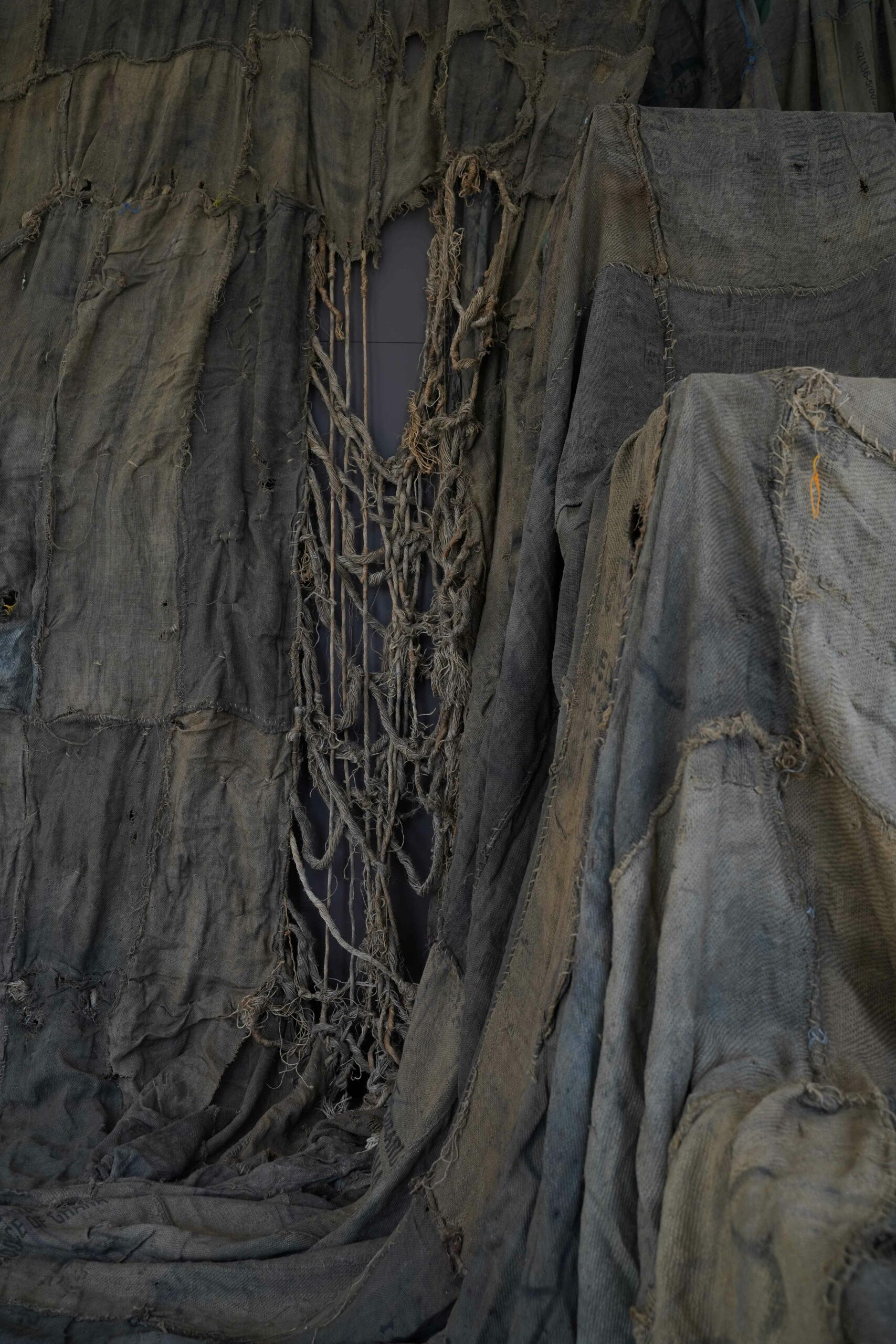
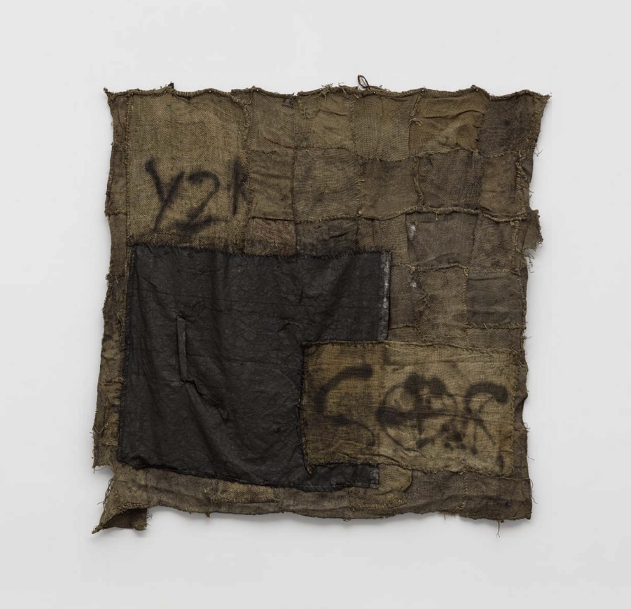
stitched jute
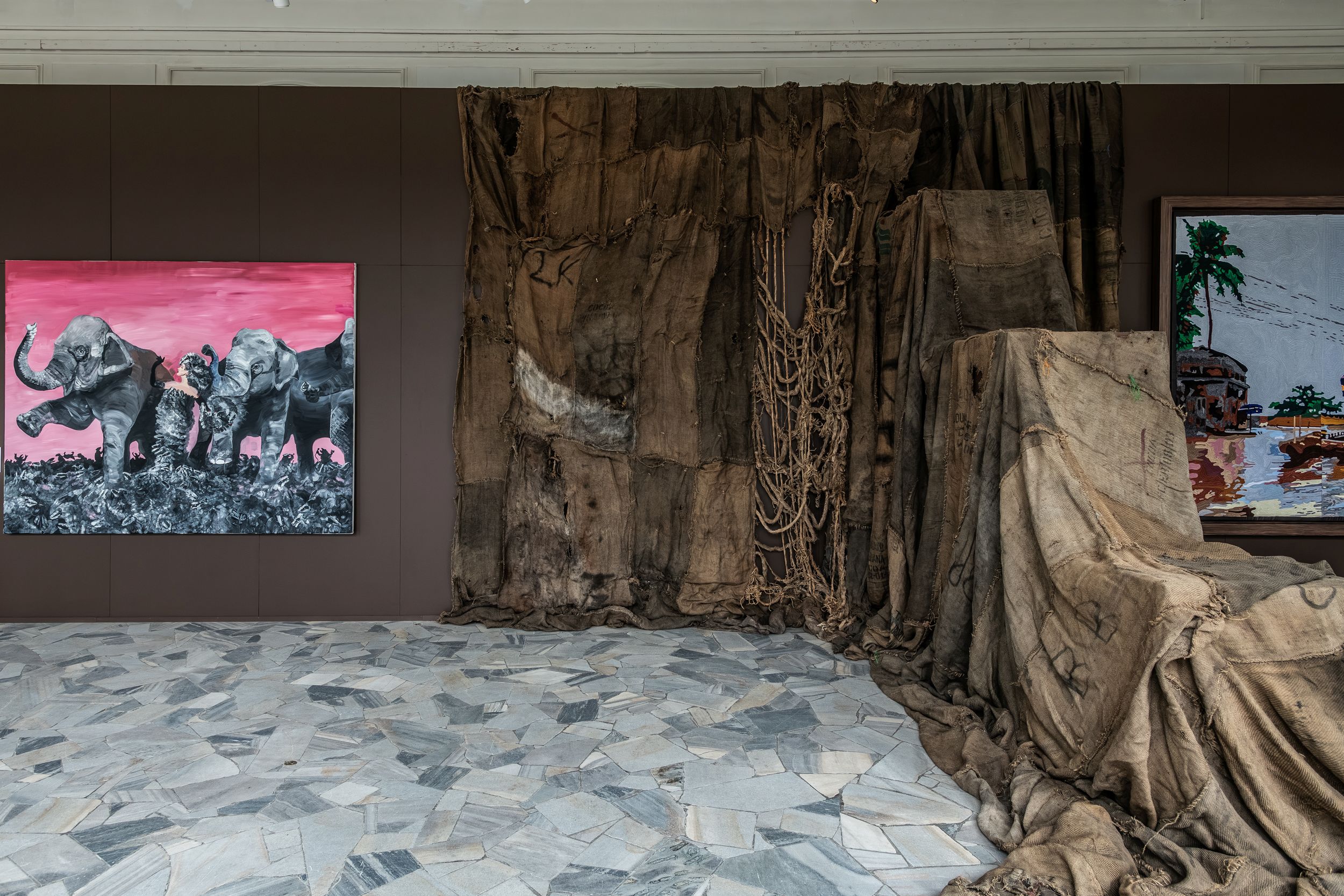
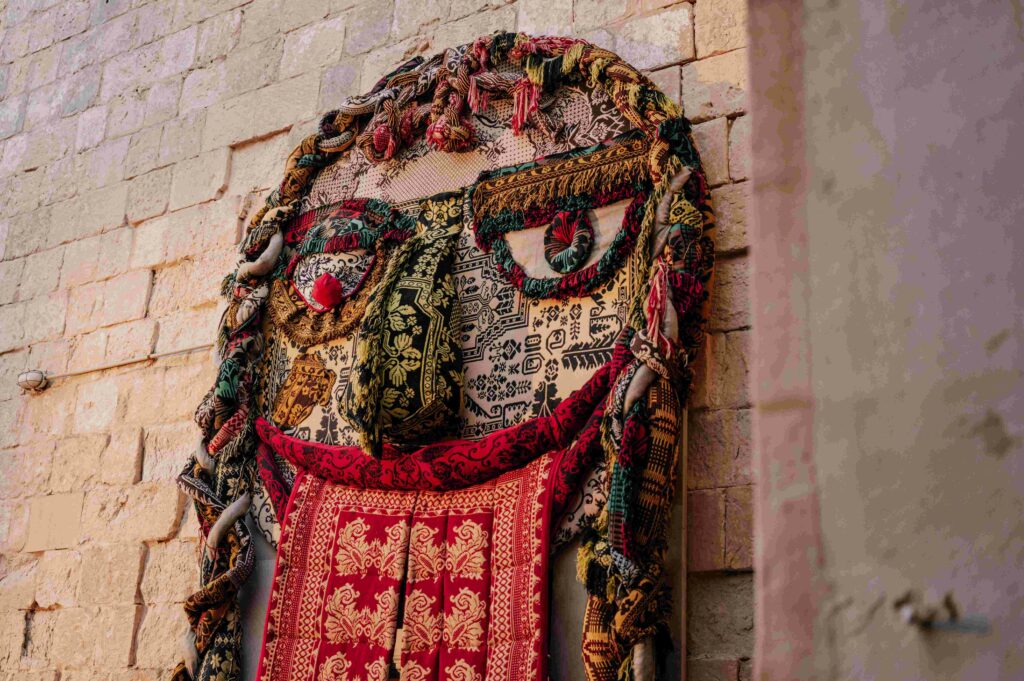
In the work created for Zachęta, with the support of OmenaArt Foundation, Ibrahim Mahama transformed the building’s neoclassical main staircase into a space of historical and material reflection. The monumental installation takes on a new context when presented in the Baroque Orangery of the Wilanów Palace.
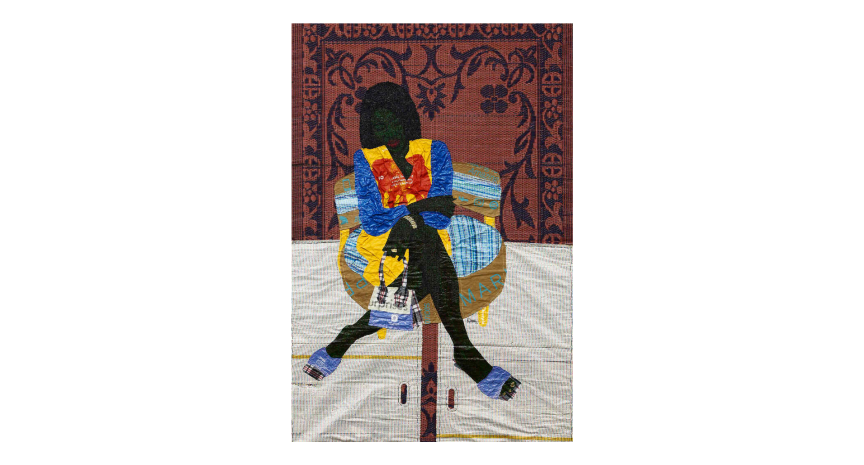
Sika Asem was created using the artist’s signature medium: jute sacks. These sacks, once used to transport cocoa, rice, and charcoal, are documents bearing traces of human labor, transnational trade, and environmental degradation. Imported from Ghana and reused through successive cycles of industrial use, they become tangible evidence of global capitalism, colonial legacy, and ecological crisis. For Mahama, they are not neutral objects, but carriers of memory, marked by human sweat and signs of wear, in which erased histories are simultaneously embodied.
The artist’s installation addresses the dark side of cultural exchange. Such exchange has often served merely as a cover for economic exploitation, geopolitical control, and the extraction of cheap raw materials and labor. It invites reflection on unequal relationships concealed beneath the guise of friendship and ideological alliance. In a work that is both a critique and a call to action, Mahama appeals for the preservation of memory surrounding invisible economic circuits and networks of solidarity among subordinated groups that have existed within cultural institutions and global history.