In 1962, Picelj initiated a series of his self-published “Edition a” art booklets, having released a total of seven publications up until 1964. Each issue of “Edition a” featured the work of one artist —mostly of a colleague whose work he admired.

In 1962, Picelj initiated a series of his self-published “Edition a” art booklets, having released a total of seven publications up until 1964. Each issue of “Edition a” featured the work of one artist —mostly of a colleague whose work he admired.

Preserving the past so it can shape the future
Cultural heritage preservation is one of the key areas of OmenaArt Foundation’s work.
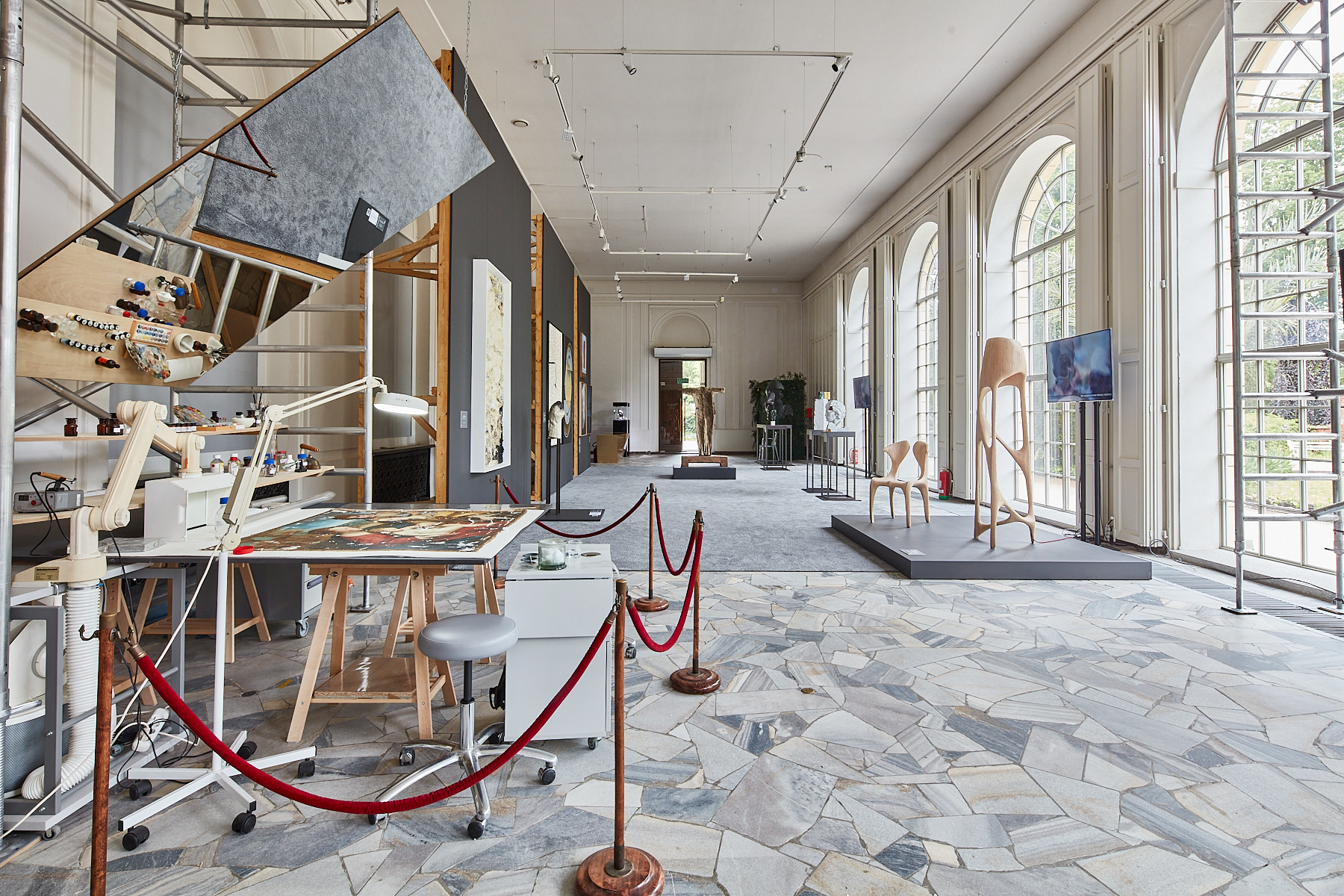
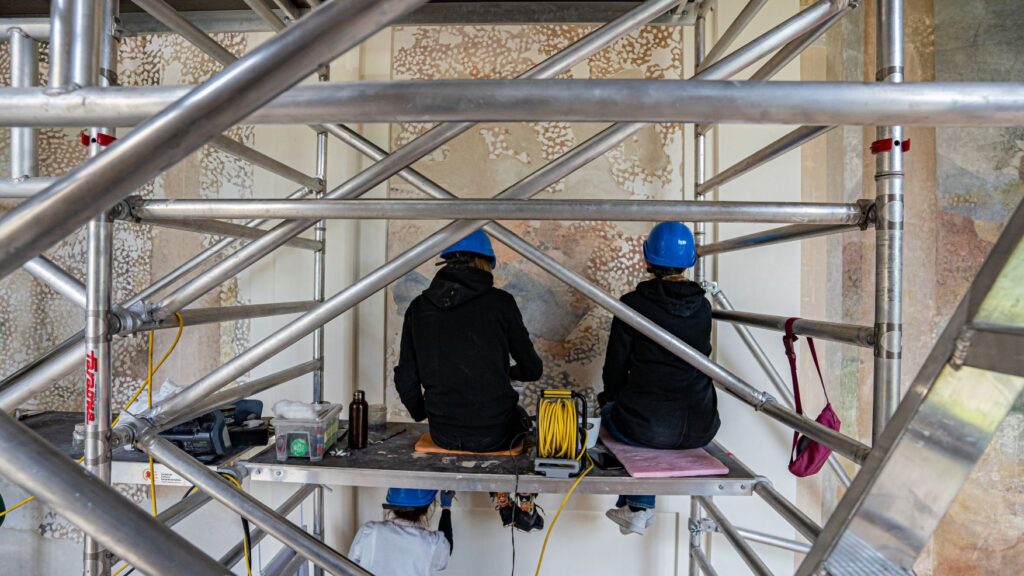
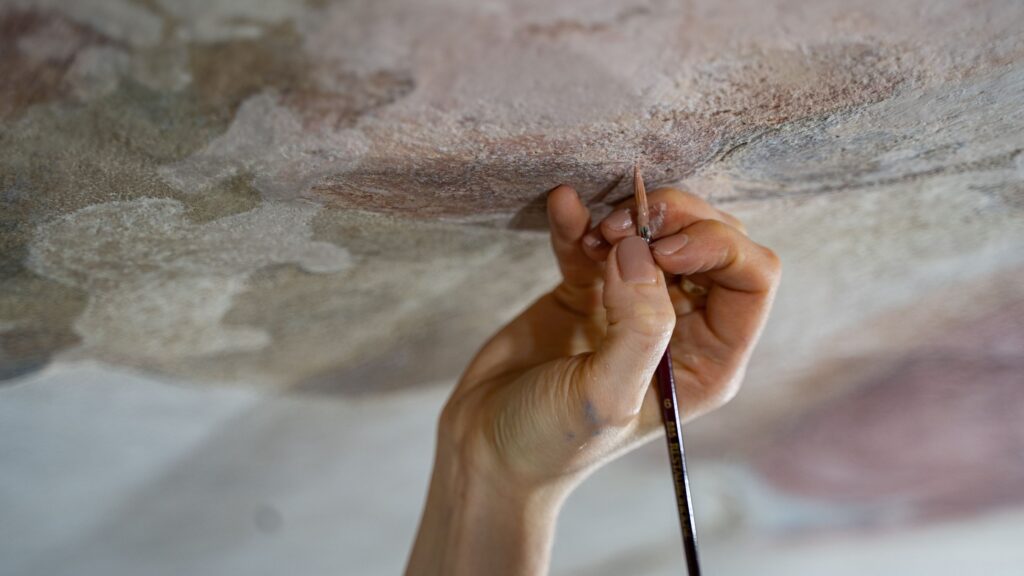
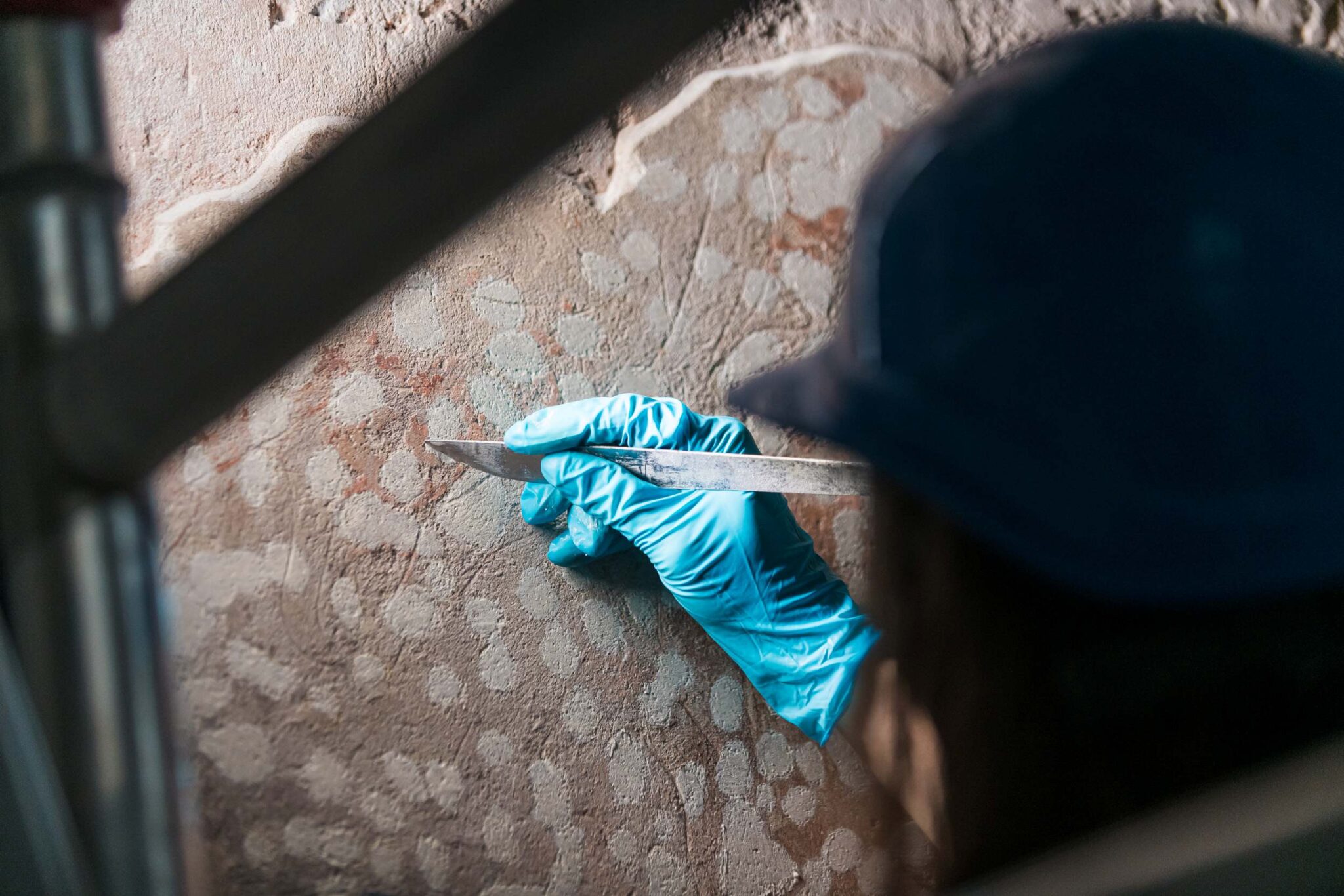
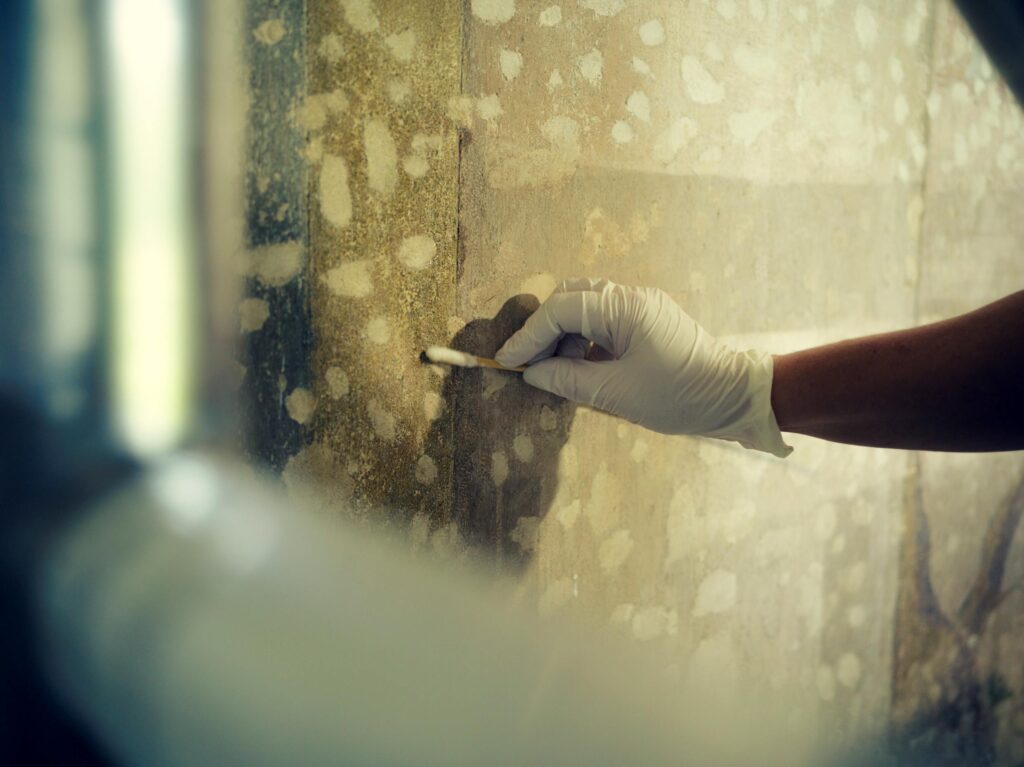
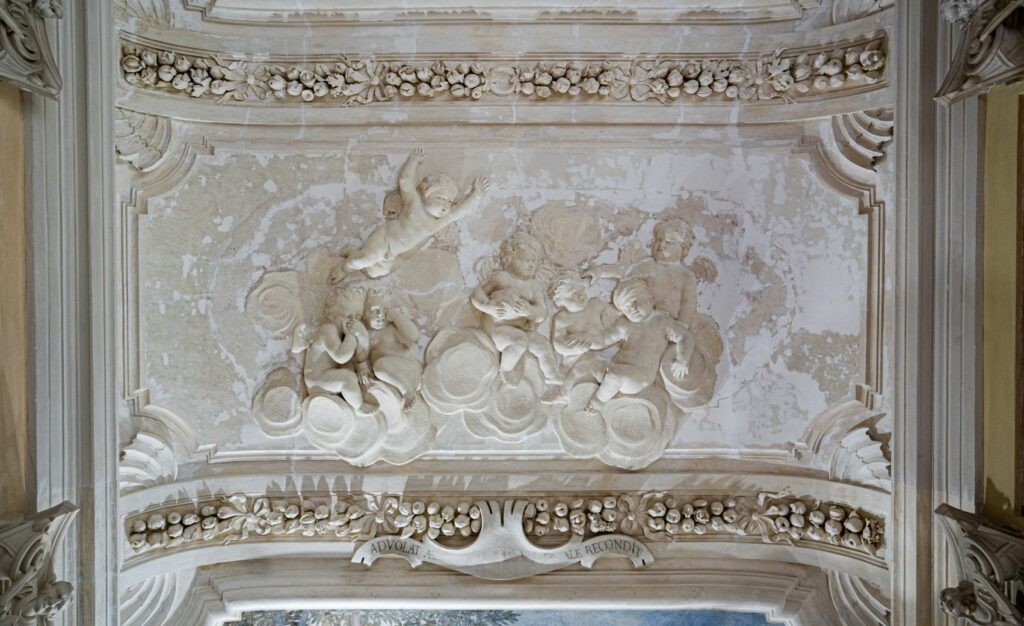
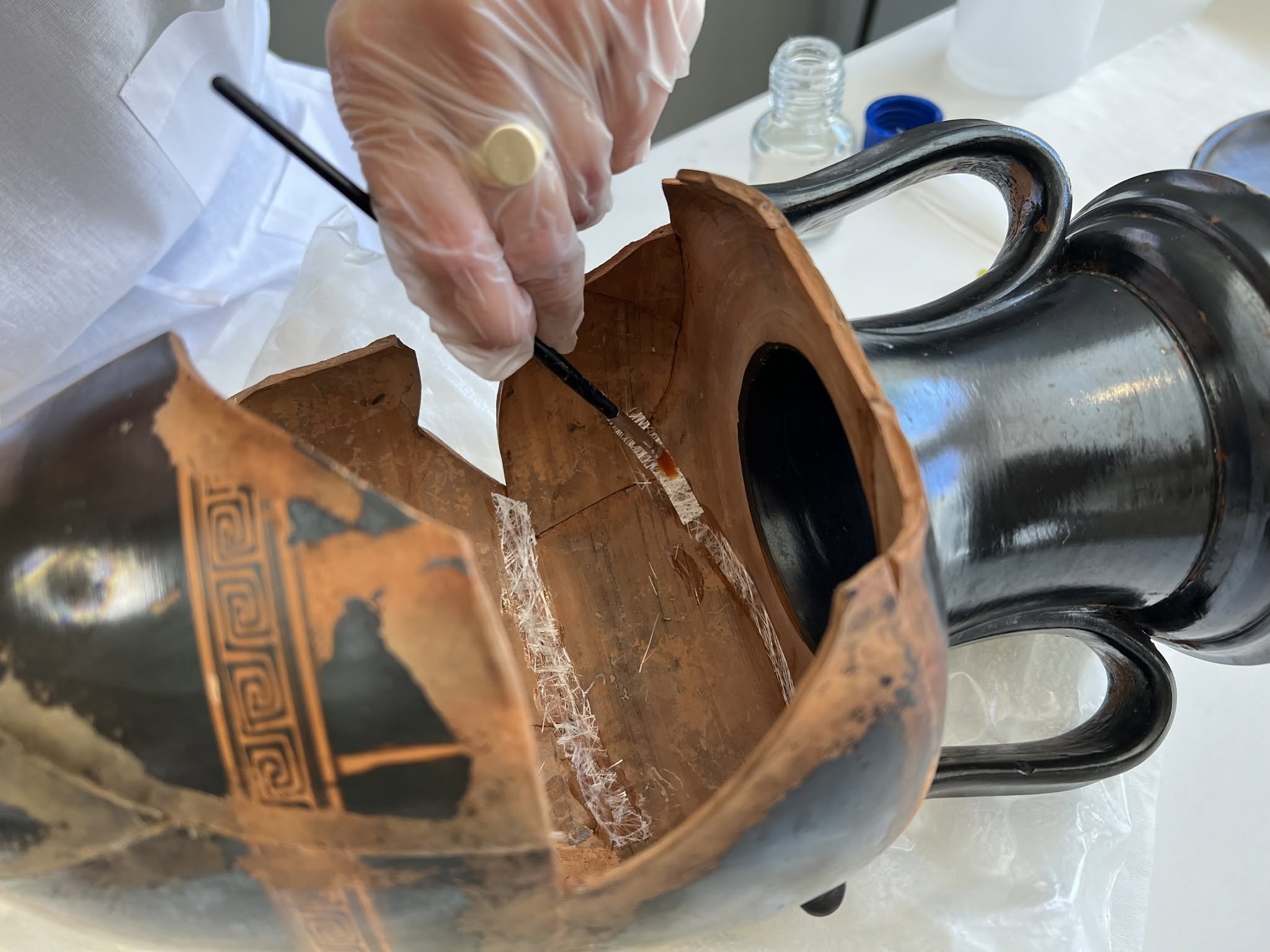
We support the conservation of artworks, historic interiors and heritage objects, as well as the revitalisation of places that can once again become spaces for culture, education and encounter. We combine funding for conservation work with long-term cooperation with museums, universities and cultural institutions, because we believe that caring for heritage means not only preserving the material traces of the past, but also passing knowledge and expertise on to future generations.
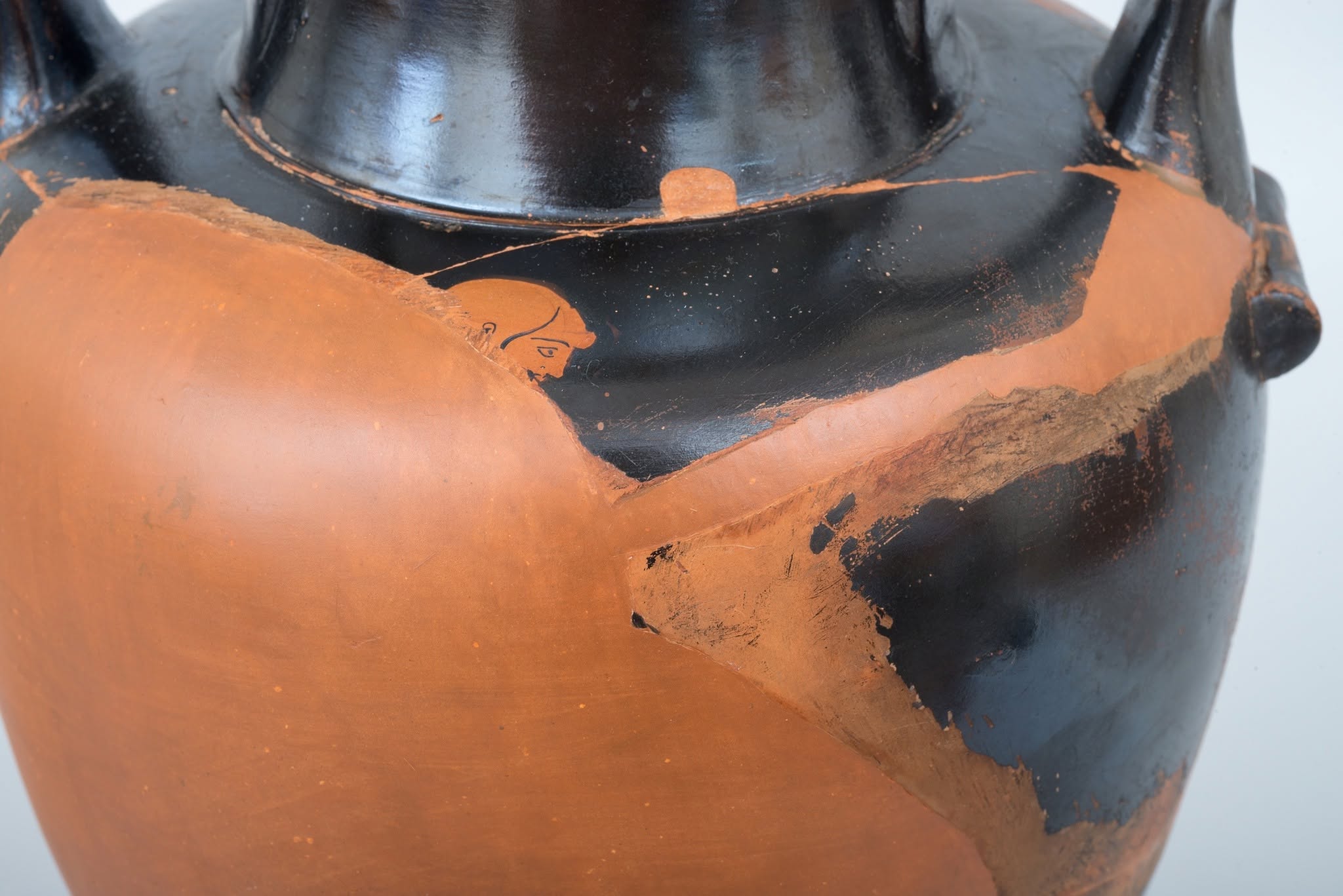
A particularly important part of these activities is our cooperation with the Museum of King Jan III’s Palace at Wilanów. With the support of OmenaArt Foundation, conservation projects are being carried out there involving historic interiors, artworks and archaeological objects. Projects completed to date include the restoration of seventeenth-century paintings in the Northern Gallery, the conservation of the painting “The Mystical Marriage of Saint Catherine”, and conservation work on eight ancient Greek amphorae. Each of these projects helps restore the artistic and historical value of the objects while safeguarding them for future generations.
The Foundation’s activities extend beyond the conservation of individual objects. They also include the revitalisation of historic buildings and spaces that can be given new artistic and educational functions.
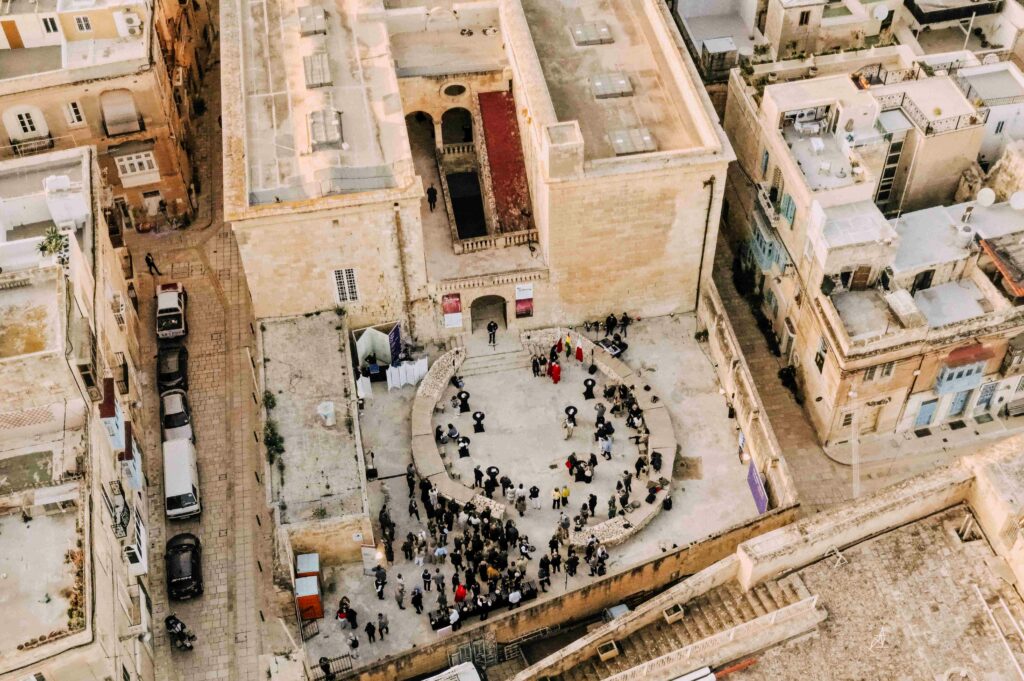
One example is LuginsLand of Art in Malta – a historic site being developed as a place for residencies, encounters and artistic projects. Its revitalisation helps preserve its architectural character while creating the conditions for contemporary creative activity.
We are developing a similar idea in Italy, where activities connected with the Ruhland property combine the preservation of historic architecture with the creation of a new space for culture. In both cases, our priority is to find a balance between respect for the existing historic fabric and its thoughtful contemporary use.
One of the most important initiatives developed in 2025–2026 is the cooperation between OmenaArt Foundation, the Philanthropic Consortium and the Academy of Fine Arts in Warsaw.
As part of the programme, 37 diploma projects carried out at the Faculty of Conservation and Restoration of Works of Art are being funded. The project supports future conservators at the educational stage, enabling them to work with real and often exceptionally valuable objects from Polish and international museum collections.
The scope of the projects is very broad. It includes both the conservation of original works and the reconstruction of lost or missing objects based on surviving documentation, technological research and archival materials. Examples include projects related to the reconstruction of a work by Henryk Siemiradzki and a portrait of Fryderyk Chopin. Such projects not only allow students to develop practical skills, but also help restore the memory of important elements of cultural heritage that have not survived to the present day.
The projects carried out by students of the Academy of Fine Arts involve objects from the collections of many major cultural institutions. Works and heritage objects undergoing conservation come from institutions including:
the National Museum in Warsaw, the Municipal Museum in Żory, the University of Warsaw Museum, the Museum of the Academy of Fine Arts in Warsaw, the Asia and Pacific Museum, the Centre of Polish Sculpture in Orońsko, the Polish Army Museum, the State Ethnographic Museum in Warsaw, the National Museum in Poznań, the Archaeological and Ethnographic Museum in Łódź, the Museum of King Jan III’s Palace at Wilanów, STUDIO Gallery in Warsaw, the Ujazdowski Castle Centre for Contemporary Art, the Polish Museum of America in Chicago, and the Xawery Dunikowski Museum of Sculpture at Królikarnia.
This diversity demonstrates the scale of the programme and its tangible importance for protecting public collections. At the same time, cooperation between institutions, universities and philanthropic organisations creates a model in which financial support serves three purposes at once: preserving objects, educating specialists and advancing conservation knowledge.
We understand heritage preservation as a process that brings together conservation, education and the responsible use of historic resources. It is not simply about restoring objects to their former appearance, but about preserving their authenticity, material history and the knowledge embedded in the way they were made.
That is why we support both experienced conservation teams and those who are only beginning to develop specialist expertise. Cooperation with universities and cultural institutions makes it possible to connect practice with research, develop new conservation methods and create space for the exchange of knowledge and experience.
We see heritage not as a closed chapter of history, but as a living resource that can serve future generations. Every restored space, conserved artwork and rescued object becomes part of a larger story about responsibility for culture – and about how, through collective action, we can continue that story.